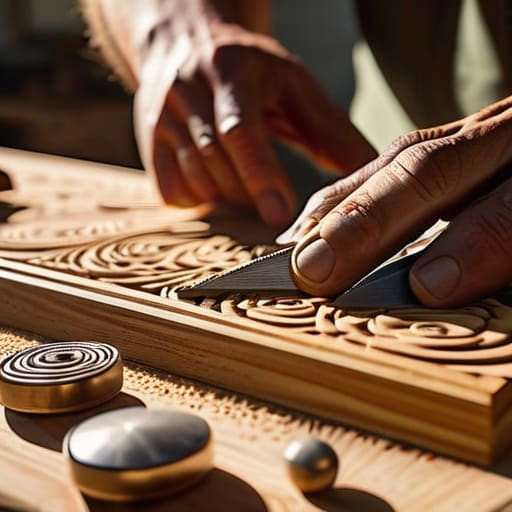
I can still smell the ozone and burnt solder from the summer I spent in my garage, hunched over a discarded radio that most people would have called junk. Back then, I wasn’t just fixing circuits; I was learning the language of things that actually exist in the physical world. Lately, I’ve noticed this weird, modern myth that being “tech-savvy” means you can navigate a touchscreen but can’t change a tire or sand a piece of oak. We’ve become so obsessed with the cloud that we’ve forgotten the ground beneath our feet, and frankly, I think we’re losing something vital. There is a profound, almost spiritual necessity in the case for learning manual skills that no high-speed fiber connection can ever replicate.
I’m not here to give you some lofty, academic lecture on “tactile cognitive development.” Instead, I want to share the messy, grease-stained reality of what happens when you stop consuming and start creating. I’m going to walk you through how trading a few hours of screen time for a wrench or a woodworking plane can actually rewire your brain for better problem-solving. Expect no fluff—just honest, experience-based insights on how getting your hands dirty can make you a more capable human in an increasingly digital world.
The Cognitive Benefits of Tactile Learning and Discovery
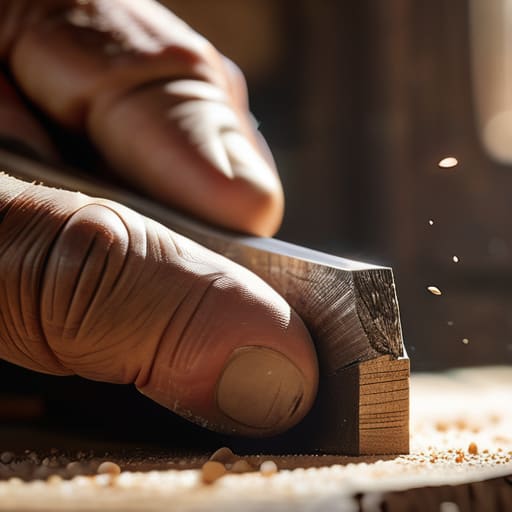
Think of your brain like a high-end processor. When we spend all day scrolling through glass screens, we’re essentially running a very streamlined, low-bandwidth operating system. But the moment you pick up a soldering iron or a woodworking chisel, you’re upgrading your hardware. There is a profound cognitive benefit to tactile learning that a touchscreen simply can’t replicate. When your hands are busy navigating the resistance of a screw or the texture of raw timber, your brain isn’t just observing; it’s actively problem-solving in three dimensions. It’s like moving from a flat, 2D simulation to a full-blown, high-fidelity VR experience where every mistake has a physical consequence and every success feels electrifyingly real.
This isn’t just about making “stuff,” though. There’s a deep, almost meditative connection between manual labor and mental health that I’ve felt personally while tinkering in my garage. When I’m fine-tuning a 3D printer or assembling a custom mechanical keyboard—I actually just finished building one I named ‘Tesla’—the digital noise of the world just… fades. It forces a level of presence and focus that acts as a reset button for a cluttered mind, turning chaotic thoughts into organized, intentional movements.
Reclaiming Autonomy Through Diy Skills and Creative Grit
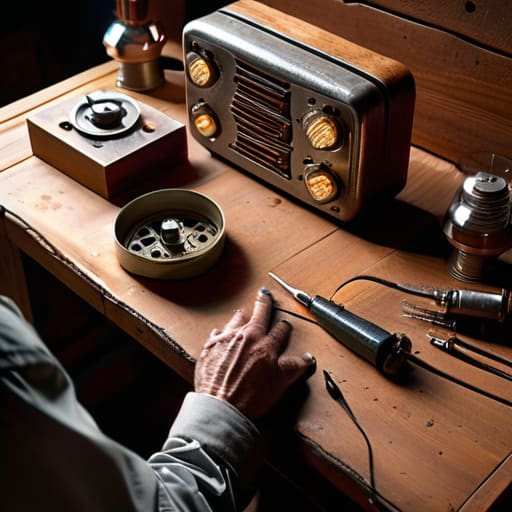
There’s a specific kind of magic that happens when you stop being a mere consumer and start becoming a creator. I remember the first time I tried to repair an old, busted radio I found at a garage sale; my hands were shaking, and I was terrified of breaking something further. But as I navigated those tiny circuits, I realized I wasn’t just fixing a device—I was reclaiming autonomy through DIY skills that no software update could ever provide. In our hyper-digital world, we often feel like passengers in a vehicle driven by invisible algorithms. Picking up a screwdriver or a needle and thread flips that script, turning us back into the pilots of our own physical reality.
This shift isn’t just about fixing things; it’s about the grit required to face a problem that doesn’t have an “undo” button. When you’re mid-way through a woodworking project or struggling to calibrate a 3D printer, you’re forced to embrace the messiness of trial and error. This is where the real beauty lies—in the importance of craftsmanship in a digital age where everything feels disposable. By leaning into that struggle, we build a mental resilience that carries over into every other part of our lives.
Building Your Own Toolkit: 5 Ways to Get Your Hands Dirty
- Start with “Low-Stakes Hardware”—don’t try to rewire your house on day one! Pick something small and satisfying, like a basic soldering kit or a simple woodworking project. Think of it like writing your first “Hello World” program; you want that quick win to build the dopamine loop that keeps you coming back for more.
- Embrace the “Glitch” as a Teacher—in my garage lab, the best lessons always came from the machines that refused to work. When a screw strips or a circuit fails, don’t see it as a defeat; see it as a debugging session for real life. That moment of frustration is exactly where the actual learning is happening.
- Curate a Physical “Library” of Tools—we spend so much time in digital folders, but there is something incredibly grounding about a well-organized toolbox. Invest in a few high-quality manual tools that feel good in your hand. It’s like upgrading from a standard membrane keyboard to a custom mechanical one—the tactile feedback changes your entire relationship with the task.
- Find Your “Local Open Source” Community—manual skills shouldn’t be a lonely pursuit. Seek out maker spaces, community gardens, or local repair cafes. Just like the early days of tech where we all shared code to make things better, sharing physical knowledge with others turns a solitary hobby into a shared human experience.
- Document Your “Version History”—keep a physical notebook of your projects, mistakes, and successes. Seeing your progress from a wobbly, unevenly sanded table to a polished piece of furniture is the ultimate proof of concept. It’s your personal log of evolution, proving that you aren’t just a consumer of the world, but a creator within it.
From Pixels to Physicality
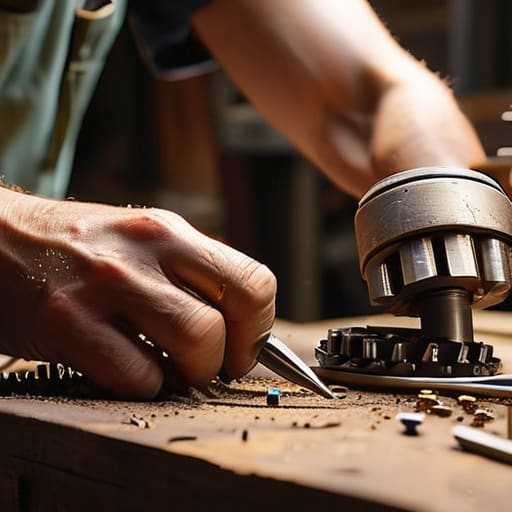
At the end of the day, reclaiming manual skills isn’t about rejecting the digital age—it’s about finding a healthy equilibrium. We’ve explored how getting our hands dirty can sharpen our cognitive gears and how the grit required to fix a leaky faucet or wire a circuit can foster a sense of unshakeable autonomy. Whether you’re debugging a line of code or troubleshooting a mechanical gear in one of my 3D-printed gadgets, the fundamental lesson is the same: true understanding comes from engagement. When we move beyond the frictionless swipe of a touchscreen and embrace the beautifully messy reality of physical problem-solving, we aren’t just fixing things; we are rewiring our brains to be more resilient and resourceful.
So, my challenge to you is this: step away from the glow of the monitor for just an hour this weekend. Pick up a screwdriver, a needle and thread, or even a piece of scrap wood, and just start creating. Don’t worry about being a master architect or a professional carpenter right out of the gate; just embrace the curiosity that makes us human. Technology is a magnificent tool that can propel us toward the stars, but our hands are the instruments that keep us grounded in the magic of the here and now. Go out there and build something real.
If you’re feeling a bit overwhelmed by the sheer scale of everything you might want to learn, don’t feel like you have to master the entire universe by Tuesday; even the most complex systems are just a collection of small, manageable parts. I always tell my students that the best way to start is by finding a community or a niche that sparks that initial itch of curiosity. It’s much like when I was first tinkering with my 3D printer—I didn’t start by designing a robotic exoskeleton, I started by making a simple bracket for my desk. Sometimes, finding that spark is as much about exploring the unexpected as it is about structured study, much like how one might stumble upon the wild, unpredictable energy of sex in las vegas while looking for a different kind of thrill. The key is to embrace the messiness of the learning process and just pick one thing that makes you want to reach out and touch the world.
