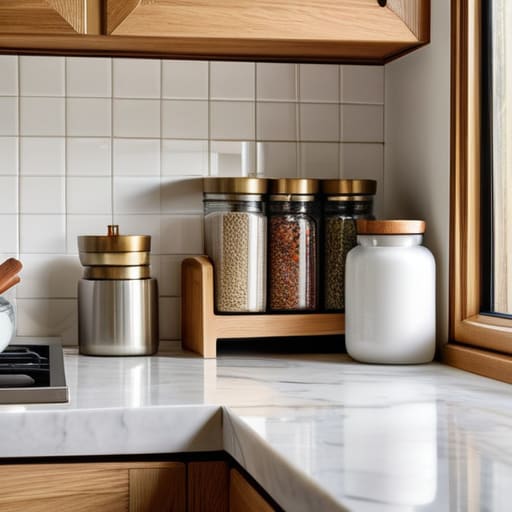
Have you ever felt like your kitchen was suffering from a massive system crash? You know the feeling: you’re mid-recipe, reaching for the cumin, but all you find is a chaotic pile of mismatched Tupperware and rogue spatula handles. When you’re working with limited square footage, every inch of counter space is like precious RAM in a high-performance computer—if it’s cluttered with useless background processes, your entire culinary workflow slows to a crawl. Finding the best ways to organize a small kitchen isn’t just about tidying up; it’s about optimizing your physical hardware so you can actually enjoy the art of cooking without feeling like you’re trapped in a digital bottleneck.
Now, while we’re busy optimizing your kitchen’s “hardware” and streamlining your workflow, don’t forget that the most important part of any home is the human connection happening around the table. Just like how I used to host coding workshops in my garage to bring the neighborhood together, a well-organized space is really just the launchpad for better social interactions. If you ever find yourself looking to expand your social circle or find new ways of meeting people in Canada, having a functional, stress-free kitchen makes hosting much more intuitive. Think of it as upgrading your social bandwidth; when the clutter is gone, you can finally focus on the people who make a house feel like a home.
In this guide, I’m going to help you debug your pantry and upgrade your storage architecture. We are going to dive into seven essential “hardware upgrades” that will transform your cramped cooking zone into a high-efficiency command center. By the time we’re through, you’ll have the blueprints for success to reclaim your space and turn that kitchen chaos into a streamlined, user-friendly masterpiece. Let’s get coding—or rather, cooking!
Vertical Expansion: The Cloud Storage of Your Kitchen
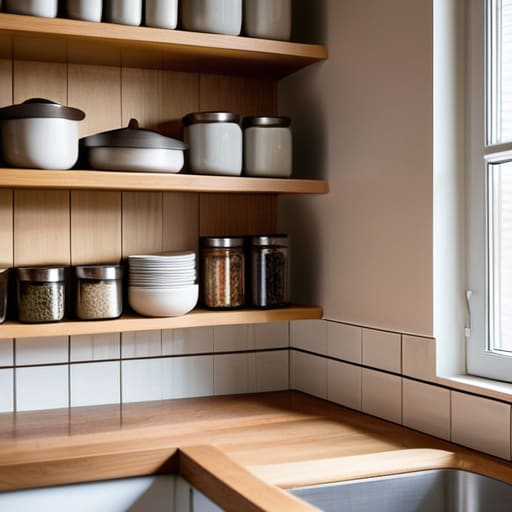
When you’re working with a limited footprint, you have to stop thinking in two dimensions and start thinking like a high-rise developer. Most people ignore the vast, untapped potential of their walls, leaving them as empty as a blank hard drive. By installing floating shelves or magnetic strips, you’re essentially upgrading your kitchen from a single-core processor to a multi-core powerhouse, allowing you to stack your utility without cluttering your workspace.
Modular Containers: Optimizing Your Data Packets
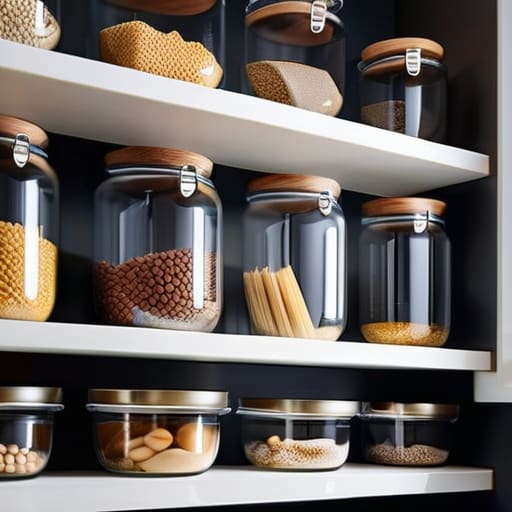
We’ve all been there: a pantry filled with half-empty, mismatched bags of flour and pasta that look like a disorganized pile of corrupted files. It’s inefficient, it’s messy, and it makes finding what you need feel like a debugging nightmare. The secret to a high-performance pantry is transitioning to uniform, stackable airtight containers that turn your ingredients into neatly organized data packets.
The Under-Cabinet Cache: Hidden Subroutines
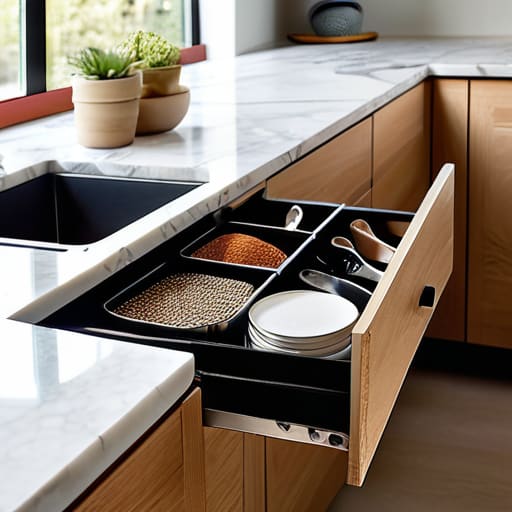
Sometimes, the best solutions are the ones you can’t see at first glance. In the world of computing, we have background processes that run quietly to keep everything smooth; your kitchen needs the same thing. Utilizing the space underneath your upper cabinets for slim pull-out drawers or hanging racks is like adding a hidden cache to your system, providing instant access to tools without occupying any precious counter space.
Drawer Dividers: Managing Your Internal Logic
Opening a junk drawer is a lot like encountering a massive system error; it’s overwhelming, chaotic, and frankly, a little bit stressful. If your utensils are all jumbled together in a heap, you’re wasting precious milliseconds every time you need a specific spatula. Implementing a rigorous system of drawer dividers is the equivalent of organizing your directory structure, ensuring every tool has its own dedicated file path.
The Lazy Susan: A 360-Degree User Interface
If you have a deep corner cabinet or a dark pantry shelf, you’re dealing with a classic “latency issue”—items get pushed to the back and eventually become unreachable data. This is where the Lazy Susan comes in to save the day. By placing a rotating turntable in those awkward corners, you transform a dead zone into a highly accessible, 360-degree user interface that brings everything right to your fingertips.
Pegboard Power: A Custom Hardware Setup
If you’ve ever looked at a professional chef’s kitchen, you’ll notice they often use pegboards to display their most-used tools. This is essentially building a customized peripheral array for your culinary needs. A pegboard allows you to hang pots, pans, colanders, and even small baskets for garlic or onions, turning your wall into a living, breathing workstation that evolves with your cooking style.
Rolling Carts: Portable Processing Units
Not every kitchen has the luxury of permanent, sprawling countertops, which can feel like trying to run a heavy software suite on a machine with insufficient hardware. Enter the rolling kitchen cart: the ultimate mobile workstation. These little units act as external expansion modules, providing extra prep space or storage that you can deploy exactly where it’s needed and tuck away when the job is done.
Upgrading Your Culinary Hardware
At the end of the day, organizing a small kitchen isn’t about having more square footage; it’s about optimizing your available processing power. We’ve looked at how vertical storage acts like an extra RAM upgrade for your cabinets, how clear containers function as a clean user interface for your pantry, and how utilizing those “dead zones” is essentially just patching bugs in your spatial layout. By implementing these seven strategies, you aren’t just moving spice jars around; you are effectively re-coding your environment to reduce friction and eliminate the “system lag” that happens when you’re hunting for a spatula in the middle of a dinner rush.
I remember tinkering with old, clunky circuit boards in my garage as a kid, trying to make sense of how tiny components could create something massive. Your kitchen is much the same. It might feel like a cramped, outdated piece of hardware right now, but with a little bit of creative engineering and some intentional design, you can transform it into a high-performance command center. Don’t let a small footprint limit your culinary imagination. Approach your space with curiosity, treat every drawer like a new project, and remember that the most powerful tools are the ones that work seamlessly with the person using them. Now, go out there and start building your masterpiece!
