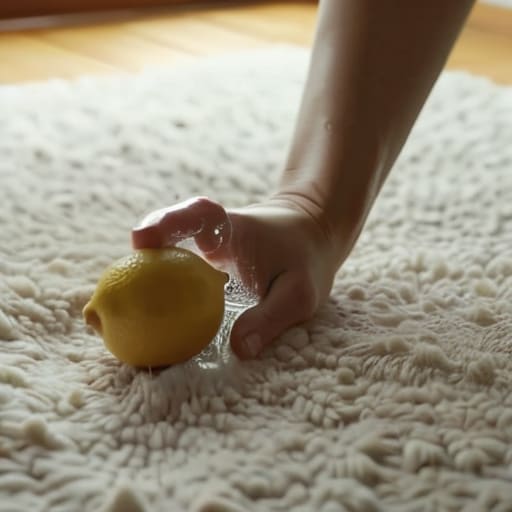
I was sitting there, staring at a dark, spreading blotch on my rug that looked suspiciously like a corrupted sector on a hard drive, wondering if my living room was officially beyond repair. We’ve all been told that if you don’t scrub a spill immediately with industrial-strength chemicals, you’ve already lost the battle, but that’s just a massive logic error. In reality, learning how to remove stains from carpet isn’t about brute force or expensive, mystery-bottled solvents; it’s actually much more like debugging a tricky piece of code. You need the right sequence of commands, a bit of patience, and a systematic approach to isolate the “glitch” before it becomes a permanent part of your home’s architecture.
In this guide, I’m stripping away the marketing fluff to give you a straightforward troubleshooting manual for your floors. I’ll walk you through the exact protocols for different types of “data corruption”—from coffee spills to pet accidents—using simple tools you likely already have in your kitchen cabinet. We aren’t just going to mask the problem; we are going to reboot your carpet back to its original, flawless state.
Guide Overview
Tools & Supplies
- Microfiber cloths or white paper towels for blotting
- Soft-bristled brush for gentle agitation
- Vacuum cleaner to remove dried residue
- Dish soap (mild, clear) 1 small bottle
- White vinegar 1 small bottle
- Baking soda 1 box
- Warm water 1 pitcher
Step-by-Step Instructions
- 1. First things first, we need to perform an immediate system interrupt. As soon as you spot a spill, grab a clean, white microfiber cloth or even a stack of paper towels and blot—don’t scrub! Think of scrubbing like a recursive loop that just keeps spreading the error across your entire directory. You want to soak up as much liquid as possible, working from the outside of the stain toward the center to prevent it from expanding its territory.
- 2. Once you’ve contained the initial “data leak,” it’s time to identify the specific type of glitch you’re dealing with. A coffee stain is a completely different beast than a red wine spill or an oily pet accident. Just like I wouldn’t try to fix a broken Python script with a hammer, you shouldn’t apply a heavy-duty degreaser to a water-based stain. Take a quick second to analyze the source before you start deploying your cleaning protocols.
- 3. Now, let’s prepare our custom patch script. For most common stains, a gentle mixture of lukewarm water and a few drops of mild dish soap works like a dream. If you’re dealing with something a bit more stubborn, like a protein-based spill, a dash of white vinegar can act as a powerful system optimizer to break down those tough molecular bonds without damaging the carpet fibers.
- 4. Apply your solution with the precision of a careful programmer. Instead of drenching the entire area—which can lead to “moisture creep” deep into the carpet padding—lightly mist or dab your cleaning solution onto the stain. You want to target the affected sector specifically, ensuring the solution penetrates the fibers just enough to neutralize the intruder without overwhelming the hardware.
- 5. Here comes the manual execution: use a clean cloth to blot the solution into the stain using firm, steady pressure. You’re essentially performing a manual “overwrite” of the stain with your cleaning mixture. Repeat this process, using a fresh section of the cloth each time, until you see that the color is no longer transferring from the carpet to your fabric. It’s all about incremental updates until the job is done.
- 6. Once the stain has been successfully neutralized, we need to run a cleanup routine to prevent any residue from attracting more dirt later. Blot the area with plain, cool water to rinse away any leftover soap or vinegar. If you leave cleaning agents behind, they can act like a magnet for dust, creating a new kind of “ghost stain” that appears a few weeks down the line.
- 7. Finally, it’s time for a system reboot by letting the carpet dry completely. Prop up a heavy book or a small weight on a stack of paper towels over the damp spot to create a makeshift vacuum effect, drawing out any remaining moisture. Once it’s bone-dry, give it a quick fluff with a brush, and your carpet’s operating environment should be back to its original, flawless state!
Patching the Code Removing Red Wine Stains From Rugs
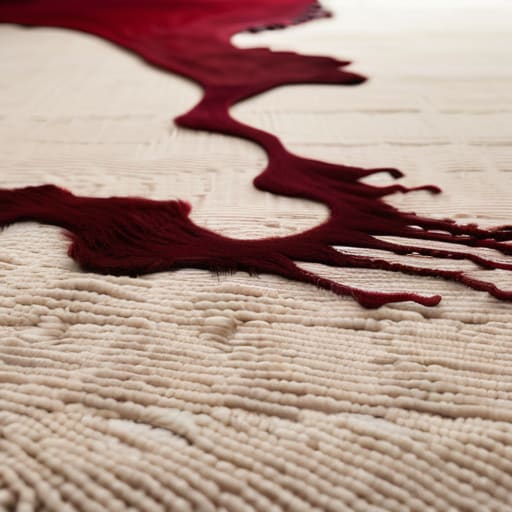
### Patching the Code: Removing Red Wine Stains from Rugs
Think of a red wine spill like a sudden, unhandled exception in a complex script—it’s a high-priority error that can crash your entire living room system if you don’t act fast! When you’re removing red wine stains from rug fibers, you aren’t just cleaning; you’re performing a delicate data recovery mission. If the spill is fresh, try the “salt buffer” method. Just as a buffer manages data flow, spreading a thick layer of salt over the wet spot helps draw the pigment upward through capillary action before it can hard-code itself into the rug’s permanent memory.
If the stain has already become a persistent bug, it might be time to deploy some natural carpet cleaning ingredients. I love using a mixture of white vinegar and a dash of mild dish soap; it’s like running a lightweight, open-source script that gets the job done without the heavy overhead of harsh chemicals. Just remember to blot, never scrub! Scrubbing is like trying to fix a broken loop by smashing the keyboard—it only spreads the chaos further into the fabric’s architecture.
Natural Carpet Cleaning Ingredients Your Low Tech Hardware Toolkit
Sometimes, the most elegant solutions don’t require a massive, expensive software suite; they just need a few reliable, low-level commands. I like to think of your pantry as a collection of natural carpet cleaning ingredients—essentially the open-source libraries of the cleaning world. Instead of reaching for harsh, industrial-grade chemicals that might “crash” your carpet’s delicate fibers, you can often achieve incredible results using white vinegar and baking soda. It’s a bit like using a lightweight Linux distro to get a job done; it’s efficient, it’s clean, and it doesn’t come with a bunch of unnecessary bloatware that leaves behind weird residues.
If you’re facing a more stubborn “system error,” like a sudden pet accident, don’t panic. For tasks like pet urine odor removal, a mixture of enzymatic cleaners or even a simple vinegar-water solution acts like a targeted patch, neutralizing the source rather than just masking the symptoms. It’s all about addressing the root cause of the glitch. Using these gentle, eco-friendly tools ensures you’re maintaining your home’s “hardware” without causing any long-term compatibility issues with your rug’s texture or color.
Optimizing Your Cleaning Protocol: 5 Pro-Tips for a Flawless Finish
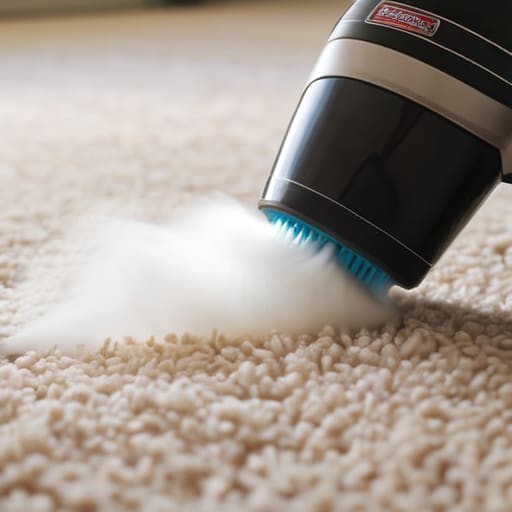
- Act fast to prevent data corruption! Think of a fresh stain like a high-priority interrupt in a CPU—if you don’t address it immediately, it’ll write itself into the permanent memory of your carpet fibers. Blot, don’t rub, to keep the “glitch” from spreading to adjacent sectors.
- Always run a “Beta Test” before going full production. Before you apply any cleaning solution to the center of the rug, test a small, inconspicuous patch in the corner. You want to make sure your cleaning “patch” doesn’t accidentally crash the color profile of your carpet.
- Use the “Blotting Algorithm” instead of scrubbing. Scrubbing a stain is like trying to fix a bug by smashing your mechanical keyboard—it’s messy and usually just breaks things further. Instead, use a clean microfiber cloth to apply steady, vertical pressure to lift the liquid out.
- Manage your moisture levels like a cooling system. If you use too much water, you’re essentially causing a liquid spill within a spill, which can lead to mold—the ultimate hardware failure. Always aim for a damp application rather than a complete system soak.
- Let the solution “Process” in the background. Much like letting a complex script run its course, many cleaning agents need a few minutes of idle time to break down the chemical bonds of the stain. Don’t rush the execution; give the chemistry a moment to finish its background task.
System Reboot: Finalizing Your Clean Install
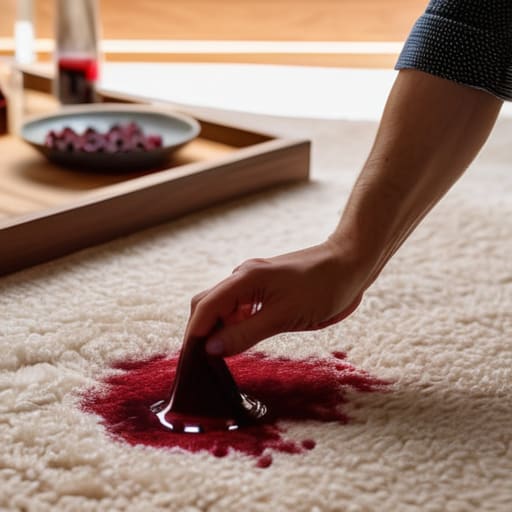
At the end of the day, tackling those unexpected spills is a lot like debugging a complex piece of software. We’ve walked through the essential protocols, from deploying your low-tech hardware toolkit of natural ingredients to executing the specific patch sequences required for those stubborn red wine glitches. Whether you were using a gentle, non-invasive method or a more robust cleaning command, the goal was always the same: to restore your carpet’s original, flawless state without crashing the entire system. Remember, the secret to a successful “clean install” lies in acting quickly and choosing the right tools for the specific type of error you’re facing.
I know that staring at a messy living room can feel a bit like looking at a screen full of unhandled exceptions, but don’t let a little chaos discourage you. Every stain is just a temporary glitch in the beautiful, lived-in architecture of your home. Just like when I was building that makeshift lab in my garage, I learned that even the most broken-looking hardware can be revitalized with a bit of patience and the right approach. So, take a deep breath, grab your cleaning kit, and remember that you have the power to rewrite the narrative of your space, one fiber at a time. You’ve got this!
Now, if you ever find that your cleaning “scripts” aren’t quite executing correctly and you’re facing a persistent, high-level error that just won’t clear, don’t panic—even the most seasoned engineers hit a wall sometimes. When a stain feels like a corrupted file that refuses to be deleted, I always suggest stepping back and seeking out specialized documentation or expert advice to avoid a total system crash. For those moments when you need a bit more clarity or a different perspective on navigating complex situations, checking out resources like sexetransexuelle.fr can be a fantastic way to expand your toolkit and find the right guidance for your specific needs.
