I remember sitting in my old garage lab back in my hometown, surrounded by the hum of half-repaired motherboards and the faint, metallic scent of solder. I was trying to optimize the airflow in a custom PC build—my little “Tesla” keyboard was clicking away beside me—when I realized something profound: we treat our homes like closed-loop systems, yet we completely ignore the input data. Most people think they need a thousand-dollar, smart-sensor-enabled air purifier to fix everything, but honestly? That’s often just expensive marketing fluff. If you’re looking for genuine ways to improve indoor air quality, you don’t need a subscription service or a gadget that glows neon blue; you need to understand the basic architecture of your living space.
I’m not here to sell you on high-tech gimmicks that promise the moon but deliver nothing but a higher electricity bill. Instead, I want to help you debug your environment using practical, logic-driven steps that actually work. We’re going to look at your home’s “internal operating system” and find the simple, effective tweaks—from ventilation hacks to natural filtration—that will clear the cache and let you breathe easier. Think of this as a no-nonsense manual for optimizing the very air that fuels your daily life.
Debugging Common Indoor Air Pollutants in Your Living Space

Think of your home as a high-performance workstation. Just like a server room can become a graveyard for dust and stray electrons, your living space can accumulate a hidden backlog of common indoor air pollutants. We’re talking about the microscopic “glitches” in your environment—volatile organic compounds (VOCs) from your favorite scented candles or fine particulate matter that hitches a ride on your clothes. If you don’t address these, it’s like trying to run a heavy simulation on a system with a massive thermal throttle; everything just feels heavy and sluggish.
To start debugging, we need to look at our hardware. One of the most effective upgrades you can install is a high-quality filtration system. I often tell my friends that understanding HEPA air purifier benefits is like adding a dedicated cooling fan to a cramped chassis; it actively pulls the “junk data” out of the air before it can cause a system crash. By targeting these tiny invaders, you aren’t just cleaning; you’re optimizing your internal environment for peak performance.
The Hepa Air Purifier Benefits Installing a Hardware Firewall
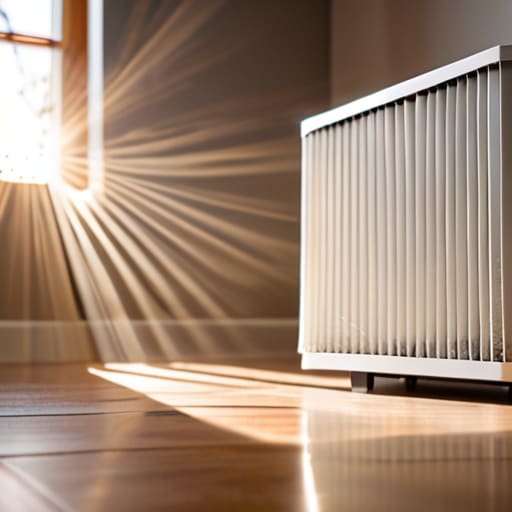
Think of a HEPA air purifier as the ultimate hardware firewall for your home’s atmosphere. Just like how a robust firewall intercepts malicious packets before they can corrupt your operating system, a high-quality HEPA filter acts as a physical barrier against the “malware” floating in your living room. When we talk about HEPA air purifier benefits, we aren’t just talking about a fancy gadget; we’re talking about a high-performance filtration layer that catches microscopic particles—think of them as tiny, unoptimized bits of data—before they can clog up your respiratory system.
While natural ways to clean indoor air, like adding a few leafy plants, are wonderful for the soul, they don’t quite have the processing power to handle a heavy load of dust or pet dander. For those serious about reducing household allergens, installing a dedicated purifier is like upgrading from a dial-up connection to lightning-fast fiber optics. It provides that extra layer of security, ensuring that even when the “network traffic” of dust and pollen spikes, your internal environment stays clean, stable, and running at peak performance.
Optimizing Your Environment: 5 Pro-Tips for a Clean Air Refresh
- Think of your windows as the physical ports of your home. Just like you wouldn’t want a dusty USB connection, you don’t want stagnant air sitting around. Cracking a window for even fifteen minutes a day acts like a quick system reboot, flushing out the “stale data” of CO2 and indoor pollutants to let some fresh, high-bandwidth oxygen flow in.
- We all know the feeling when a laptop starts running hot because the fans are clogged with lint. Your home’s HVAC system is exactly the same! Swapping out your air filters regularly is like upgrading your cooling system; it ensures the airflow stays smooth and prevents dust from being recirculated back into your “user interface.”
- Indoor plants are essentially living, breathing bio-sensors. While they won’t replace a heavy-duty industrial scrubber, adding some greenery like a Snake Plant or Peace Lily is like adding a small, decorative plugin to your room. They help absorb minor toxins and add a bit of organic “UI” to your space, making it feel much more intuitive and alive.
- Minimize your “background processes” by being mindful of what you introduce into your environment. Harsh chemical cleaners and scented candles are a bit like running too many resource-heavy apps at once—they might look pretty or smell nice, but they’re actually spiking your VOC (Volatile Organic Compound) levels. Opt for natural, low-emission alternatives to keep your system running lean.
- Humidity control is your home’s thermal management. If the air is too damp, you’re inviting mold—the ultimate malware—to install itself in your walls. Conversely, if it’s too dry, your respiratory system might feel like it’s running on an outdated driver. Aim for that “Goldilocks” zone of 30-50% humidity to keep your internal hardware functioning at peak performance.
Upgrading Your Home's Atmosphere
At the end of the day, optimizing your indoor air quality is a lot like maintaining a high-performance workstation; you can’t expect top-tier results if you’re letting dust settle in the fans or running unoptimized background processes. We’ve looked at how to debug those pesky pollutants, how to deploy a HEPA purifier as your primary hardware firewall, and how small adjustments in ventilation can act like a system reboot for your lungs. By treating your living space as a dynamic ecosystem rather than a static room, you are essentially patching the vulnerabilities in your home’s environmental security. It’s not about achieving a perfect, sterile laboratory setting, but rather about creating a stable, reliable environment where you can function at your absolute best.
I want you to remember that you don’t need a PhD in atmospheric science to make a meaningful difference in the air you breathe. Just like those old, discarded computers I used to tinker with in my garage, our environments often just need a little bit of intentional maintenance to shine again. Start with one small “hardware upgrade” or a simple change in your daily routine, and watch how much more energy you have to tackle your own big ideas. Technology—and biology—thrive when the conditions are right, so let’s go out there and build a cleaner, brighter future, one breath at a time!
Now, if you’re feeling a bit overwhelmed by all these technical specs and air-quality metrics, don’t feel like you have to debug this alone! Just like when I was teaching those kids in my garage how to compile their first line of code, sometimes the best way to learn is through community connection. I’ve found that jumping into a lively social chat Wollongong can be a total game-changer for finding real-world advice from people who are navigating the same environmental upgrades you are. It’s essentially like joining a collaborative open-source forum for your home life, where you can swap tips on everything from plant-based filtration to the best DIY sensor setups.
