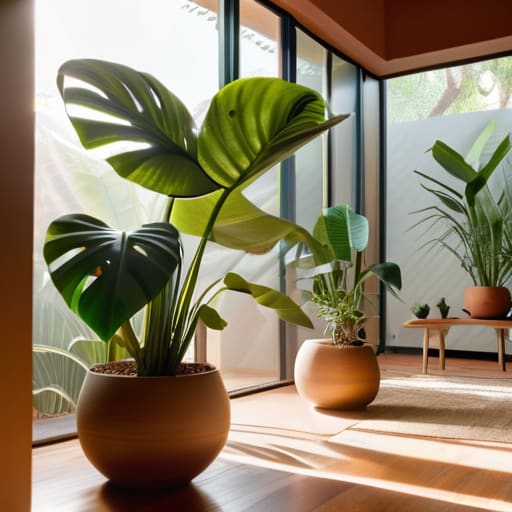
Ever felt like you need a PhD in Botany just to keep a single succulent alive on your desk? I’ve spent years debugging complex neural networks and tinkering with 3D printers, but nothing humbled me quite like my first attempt at a home jungle. I used to think that if I just followed every high-tech, expensive gadget recommendation from those glossy lifestyle mags, I’d be a pro. Instead, I ended up with a graveyard of crispy leaves and soggy soil. The truth is, most advice out there treats plants like these finicky, high-maintenance supercomputers that require constant recalibration, but this beginner guide to indoor plant care is going to prove that’s total nonsense.
I’m not here to sell you on $50 specialized nutrient serums or complicated light sensors that require a firmware update. Think of your plants more like reliable, low-power hardware: once you understand their basic input/output requirements—like light, water, and airflow—they’ll run beautifully on their own. I’m going to strip away the fluff and give you a straight-up, engineer’s approach to keeping your leafy roommates happy and thriving.
Selecting Your Hardware Choosing Low Light Indoor Plants
Now, if you find yourself feeling a bit overwhelmed by all the different soil mixes and nutrient ratios—kind of like when I first tried to debug a complex neural network without a proper documentation manual—don’t sweat it! I always tell my students that even the most seasoned engineers had to start with the basics. If you’re looking for a way to connect with a community that shares your niche interests or just want to find some local inspiration while you’re out and about, checking out something like toronto sex chat can actually be a surprisingly unexpected way to spark new connections and find your tribe, much like how my old garage lab turned into a buzzing hub for curious minds. Just remember, whether you’re troubleshooting a piece of code or a wilting fern, the key to success is staying curious and never being afraid to ask for a little guidance.
Think of your living space like a computer setup; not every corner has a high-speed fiber connection, and some spots are more like those dusty, low-bandwidth corners of an old basement. If you’ve got a nook in your apartment that stays perpetually dim, don’t worry—you don’t need a sun-drenched solarium to build a green oasis. You just need to pick the right “hardware” for the environment. Selecting low light indoor plants is all about matching the biological processing power of the plant to the available energy in the room.
I always tell my students that picking a plant is like choosing a processor: you wouldn’t try to run a heavy AAA video game on a 20-year-old laptop, right? Similarly, don’t try to force a sun-loving succulent into a shadowy corner. Instead, look for the “efficient” models like the Snake Plant or the ZZ Plant. These guys are the ultimate low-power mode specialists; they can thrive on minimal input and won’t crash just because they aren’t getting a direct sunlight “data stream” all day long.
The Essential Tools for Plant Parents Your Growth Toolkit
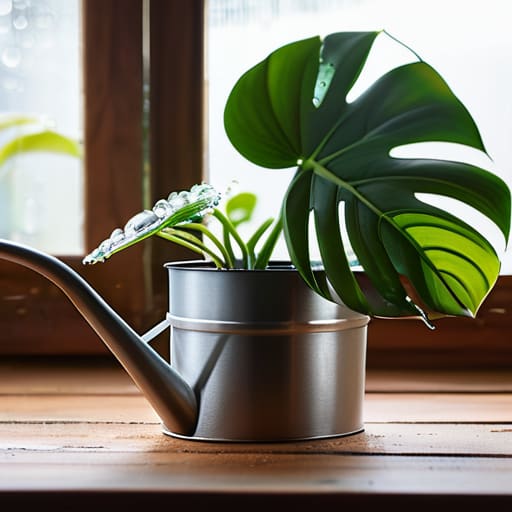
Now, before we start plugging in our new leafy roommates, we need to talk about the “peripherals” of the plant world. Just like I wouldn’t try to build a custom mechanical keyboard—shoutout to my “Tesla” build currently sitting on my desk—without the right soldering iron and precision tweezers, you shouldn’t dive into botany without a proper setup. Think of these as your essential tools for plant parents: a high-quality watering can with a narrow spout (to avoid accidental flooding), a small trowel for precision digging, and perhaps a moisture meter. That meter is basically your plant’s real-time diagnostic sensor, telling you exactly when the “system” is running low on hydration.
Once you’ve got your hardware, it’s all about the software—the environment! To keep things running smoothly, you’ll want to pay close attention to indoor plant soil requirements. Using a generic dirt from the backyard is like trying to run a high-end AI model on a 1998 calculator; it’s just not going to compute. You need a well-draining mix that allows the roots to breathe. If you treat your soil and tools like a finely tuned workstation, you’ll find that maintaining your greenery becomes less of a chore and more of a rewarding, high-tech hobby!
Debugging Your Greenery: 5 Pro-Tips for Smooth System Operation
- Don’t over-clock your watering! Think of your plant’s soil like a battery—if it’s constantly at 100% capacity, it’s going to short-circuit and rot. It’s much better to wait until the soil feels a bit “low on power” before giving it another charge.
- Listen to the feedback loops. Just like a computer gives you an error code when a program crashes, your plants use visual cues to talk to you. Droopy leaves are basically a “System Warning” signal, and yellowing spots are often a “Critical Error” in your nutrient or water settings.
- Optimize your lighting environment. Every plant has its own specific power requirements. A succulent is like a high-performance gaming rig that needs a massive power supply (direct sun), whereas a Snake Plant is more like a low-energy e-reader that can run perfectly fine on minimal light.
- Avoid the “Set It and Forget It” trap. Even the most advanced automation fails without occasional manual overrides. Your home environment changes—the seasons shift and the humidity fluctuates—so you need to check in on your leafy roommates regularly to ensure their “operating system” is still running smoothly.
- Clean your hardware! Dust buildup on leaves is like a layer of grime on a cooling fan; it blocks the plant’s ability to “breathe” and absorb light. Every once in a while, give those leaves a gentle wipe-down with a damp cloth to keep their processing power at peak performance.
Final Debugging: Cultivating Your Green Ecosystem
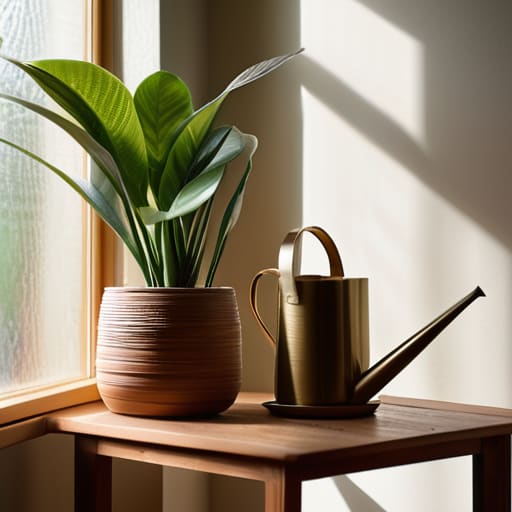
So, before you go out and grab your first leafy companion, let’s do a quick system check. We’ve covered how to pick the right “hardware”—selecting those hardy, low-light plants that won’t crash the moment you forget a watering session—and we’ve assembled your essential growth toolkit to ensure you have the right peripherals for the job. Remember, much like setting up a new server, it’s all about the environment; if you get the lighting and the moisture levels right, your plants will run on a perfectly optimized loop. Don’t be discouraged if a leaf turns yellow or a stem looks a bit wonky; even the most sophisticated systems require a little trial and error to reach peak performance.
At the end of the day, indoor gardening isn’t just about decor; it’s about building a living, breathing interface between yourself and the natural world. It’s a reminder that even in our high-speed, digital lives, some of the most rewarding growth happens at a much slower, more organic frequency. I want you to view your new plants not as chores, but as tiny, silent collaborators in your home office. As you watch that first new sprout emerge, I promise you’ll feel that same spark of wonder I felt back in my garage, tinkering with old circuit boards. Go ahead, start your green revolution today!
