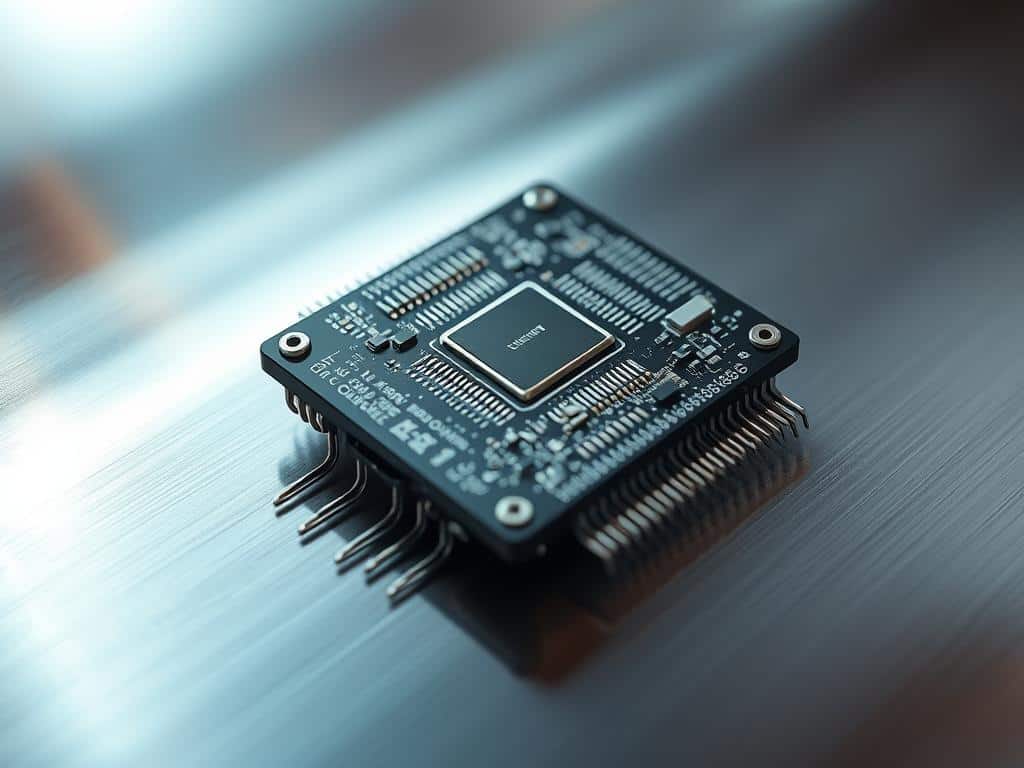
Building my first custom PC was a daunting task. The number of components and their specs was overwhelming. That’s when I came across the term “chipset.” It turned out to be more than just another part; it’s a key player in the motherboard.
It manages data between the CPU, GPU, RAM, and more. Learning about chipsets was essential for better performance and future upgrades. It was a tech 101 journey that showed me how important the right chipset is for smooth operation.
Key Takeaways
- A chipset is essential for managing data flow within a computer.
- Understanding a chipset helps in optimizing performance and compatibility.
- Choosing the right chipset influences expansion options for future upgrades.
- It acts as the “traffic controller” of a motherboard.
- Knowledge of chipsets enhances your PC-building experience.
Understanding What Is a Chipset
A chipset is a key part of a computer system. It helps the processor talk to other hardware parts. It controls data flow and interactions in the system. Knowing what a chipset is helps us understand how the motherboard works.
Definition and Role of a Chipset
The chipset is an electronic part that manages communication between different parts of the computer. It has two main parts: the northbridge and southbridge. The northbridge connects directly to the CPU, while the southbridge handles slower devices.
This setup makes communication efficient. Knowing about motherboards shows how the chipset affects CPU and component compatibility. It ensures the system works well together.
How the Chipset Functions on a Motherboard
The chipset manages data transfer between the CPU and other hardware like RAM and graphics cards. Each part talks to others through specific rules set by the chipset. Understanding hardware basics helps pick the right motherboard for your needs.
This knowledge lets users find systems that meet their performance and compatibility needs. It’s important for getting the best out of your computer.
Importance of a Chipset in Computer Performance
The chipset is key in any computer system. It affects many things that impact how well the system works. Knowing about chipset performance helps me see how well my system will do with today’s tasks. It’s also important for working well with different parts and options for adding more.
Impact on Compatibility and Expansion Options
When picking a chipset, how well it works with other parts is very important. Each chipset has its own rules for what hardware it can use. For example, an old chipset might not work with the newest graphics cards or fast storage.
This can limit what you can do now and in the future. So, thinking about how easy it is to add more stuff is key when designing a system.
Influence on Overclocking Capabilities
My interest in making my computer go faster also guides my choice of chipset. Some chipsets have special features for overclocking. This lets me make my computer run faster than usual.
But, some chipsets don’t support overclocking, or you need extra software to do it. Knowing this helps me choose the right chipset for my system.
Conclusion
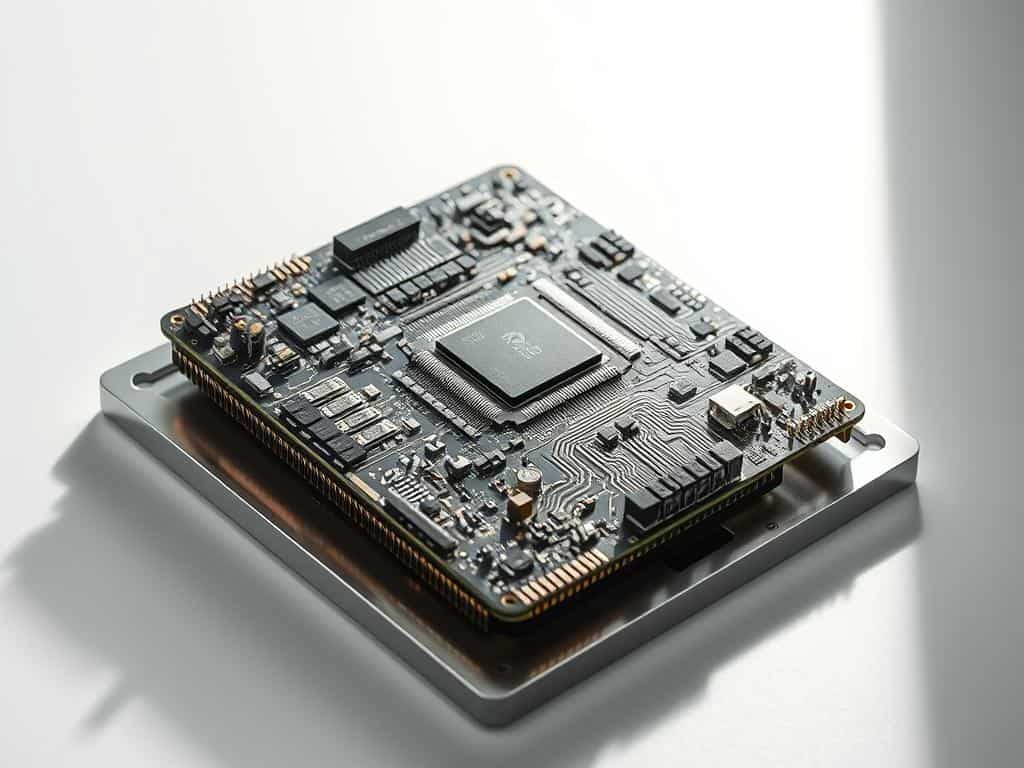
Understanding the chipset is key for anyone getting into hardware. The chipset is the heart of a motherboard, essential for computer performance. It makes sure all parts work well together and affects things like expansion and overclocking.
Learning about chipsets helps me pick the right system for myself. This knowledge lets me make smart choices, ensuring my motherboard fits my needs. Whether I’m building or buying a system, knowing about chipsets makes it easier.
Getting better at understanding chipsets boosts my computer’s speed and avoids mistakes. By focusing on performance and compatibility, I can build or choose a system that fits my needs perfectly. This makes my tech journey both rewarding and effective.
