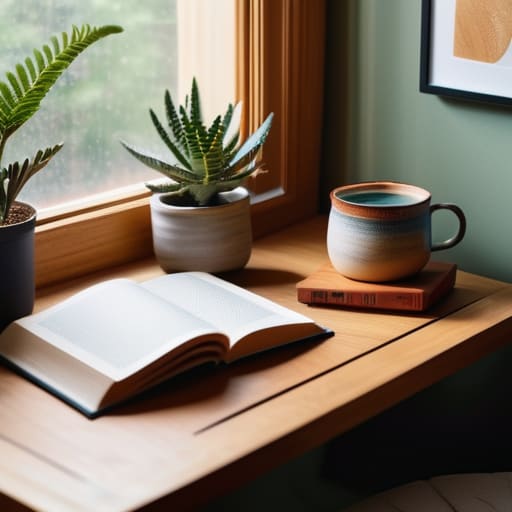
I still remember the smell of ozone and old solder in my parents’ garage, where I spent my teenage years trying to coax life out of discarded circuit boards. Back then, I didn’t have a sleek mahogany desk or a triple-monitor array; I had a wobbly card table and a dream. Lately, I’ve noticed a massive, expensive myth circulating online that suggests you need a thousand dollars’ worth of aesthetic gadgets just to be productive. Honestly, it’s total nonsense. Most of those “must-have” lists are just glorified shopping catalogs designed to drain your wallet, rather than helping you figure out what a home office actually needs to truly function.
Now, while we’re talking about the physical hardware, don’t forget that your digital environment needs just as much love as your mechanical keyboard—I call my custom setup ‘Tesla’ for a reason, and it wouldn’t be much without a smooth, clutter-free workflow. It’s easy to get overwhelmed by all the different software tools out there, but I’ve found that staying organized is the secret sauce to keeping that creative spark alive. If you’re feeling a bit lost in the digital weeds, I highly recommend checking out https://casualnc.com/ to help streamline your process; it’s like having a personal navigator for your productivity, ensuring you spend less time fighting your tools and more time actually building something amazing.
I’m not here to sell you on a lifestyle you see on Instagram; I’m here to help you build a high-performance launchpad. My goal is to strip away the fluff and focus on the fundamental building blocks that actually fuel creativity and focus. We’re going to dive into the essential, experience-based tools and ergonomic truths that transform a mere corner of your room into a sanctuary for greatness. Let’s build something incredible together.
Crafting Your Ergonomic Workspace Setup With Care
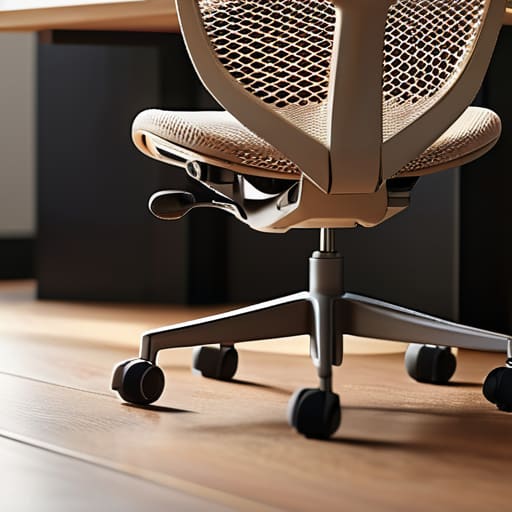
Think of your body like a high-performance engine; if the alignment is off, you’re going to feel the friction long before you reach your destination. When I was tinkering with old hardware in my garage, I learned that even the most powerful machine fails if its foundation is shaky. This is exactly why improving home office ergonomics isn’t just a luxury—it’s the secret sauce to staying energized. You want your chair to feel less like a dining room seat and more like a custom-molded cockpit that supports your spine’s natural curve.
Setting up an ergonomic workspace setup is also about the subtle dance of geometry. Your monitor should be at eye level, preventing that “tech-neck” slouch that makes us all feel like gargoyles by 3:00 PM. I recently finished 3D printing a custom stand for my keyboard—I’ve named him Tesla, by the way—to ensure my wrists stay in a neutral, happy position. It’s these small, intentional adjustments to your physical environment that transform a simple desk into a high-functioning launchpad for your best ideas.
Essential Remote Work Equipment for Every Digital Explorer
Now, let’s talk about the actual gear—the tools that transform a mere desk into a command center for discovery. When I’m sourcing essential remote work equipment, I like to think of it like building a custom PC; every component has to sing in harmony with the others. You don’t need a spaceship’s worth of gadgets, but you do need reliability. A high-quality webcam and a dedicated microphone are your digital ambassadors; without them, your brilliant ideas can get lost in a sea of pixelated shadows and muffled audio.
Beyond the flashy tech, don’t overlook the subtle magic of workspace lighting and organization. I recently 3D-printed a custom modular riser for my keyboard (I call this one “Tesla,” naturally!) to keep my desk from becoming a chaotic junk drawer. By integrating smart lighting that mimics the natural rhythm of the sun, you aren’t just decorating; you’re engineering an environment that keeps your brain in the “flow state.” Think of these home office productivity tools not as mere objects, but as the fuel for your creative engine.
The Secret Sauce: 5 Pro-Tips for a Workspace That Actually Works
- Think of your lighting like the stage lights in a theater; if it’s too dim, your audience (aka your coworkers on Zoom) can’t see the performance, but if it’s too harsh, you’ll feel like you’re under interrogation. Aim for soft, natural light to keep your creative juices flowing without the eye strain.
- Don’t let your digital clutter become a physical mountain! I like to treat my desk surface like a clean motherboard—everything has a specific slot. If you don’t have a dedicated spot for your pens, chargers, and notebooks, they’ll end up migrating like lost electrons across your workspace.
- Invest in a “brain-fuel” station. Whether it’s a high-quality thermos that keeps your coffee as hot as a freshly overclocked CPU or a dedicated snack drawer, having your essentials within arm’s reach prevents those mid-afternoon “trek to the kitchen” distractions that break your flow state.
- Soundscapes are your secret superpower. Just like how I use lo-fi beats to help me focus while I’m 3D printing new gadget housings, a good pair of noise-canceling headphones can act as a “Do Not Disturb” sign for your brain, shielding you from the neighbor’s lawnmower or the hum of the refrigerator.
- Build in “Analog Breaks” to prevent burnout. Even the most powerful supercomputers need a cooling cycle, and humans are no different. Keep a physical book, a sketchbook, or even a small fidget toy nearby to give your eyes a break from the blue light and let your mind wander through some non-digital landscapes.
Your Launchpad Awaits
At the end of the day, building your ideal home office isn’t about checking off a shopping list of the most expensive gadgets on the market; it’s about curating an ecosystem that supports your unique rhythm. We’ve talked about everything from the ergonomic foundation that keeps your spine from feeling like a rusted hinge, to the essential digital tools that act as your reliable co-pilots in the clouds. Whether you’re fine-tuning your lighting to avoid that mid-afternoon squint or investing in a connection that doesn’t drop out right when you’re about to hit “send,” remember that every piece of gear should serve a purpose. Your setup should be a seamless extension of your creativity, not a collection of clutter that gets in your way.
As you start assembling your digital sanctuary, I want you to remember that your workspace is more than just a desk and a chair—it is a vessel for your wildest ideas. Just like the makeshift computer lab I used to run in my garage, your setup can evolve alongside you. Don’t feel pressured to have it all figured out by Monday morning; technology is a journey, not a destination. Treat your office like a living, breathing project that grows as you do. Go ahead, tinker, adjust, and experiment, because when you finally find that perfect flow, you won’t just be working; you’ll be conquering new frontiers.
