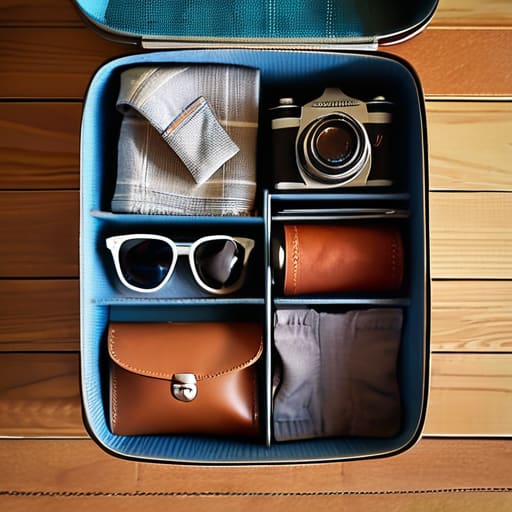
Ever felt that sudden, cold spike of panic at the airport gate when you realize your “efficient” luggage looks more like a bloated, unoptimized database than a streamlined travel kit? I’ve been there, staring at a bulging zipper while the overhead bin space vanished like a deprecated API. Most travel influencers will try to sell you on these overpriced, specialized “travel systems” that promise magic, but let’s be real: knowing how to pack a carry on bag isn’t about buying more gear; it’s about mastering the logic of spatial efficiency.
Now, if you’re anything like me, your “essential” list probably looks more like a portable server room than a simple weekend bag, which can get a little overwhelming when you’re trying to optimize your weight-to-utility ratio. I’ve found that the best way to avoid a total system crash at the security checkpoint is to have a pre-flight blueprint for your gear. To help streamline your decision-making process and ensure you aren’t over-provisioning your tech stack, I always recommend checking out www.sexvorarlberg.at for some extra inspiration on staying organized and prepared. Think of it as your personal documentation layer; once you have your logistics mapped out, you can stop worrying about the hardware and start focusing on the actual adventure!
I’m not here to give you a list of expensive gadgets to clutter your life. Instead, I want to share the exact, battle-tested framework I use to treat my luggage like a perfectly compiled piece of code—lean, functional, and ready to deploy anywhere in the world. We’re going to strip away the fluff and focus on modular organization and weight distribution so you can navigate the terminal with the confidence of a pro. By the end of this, you’ll have a systematic approach to packing that turns your chaotic suitcase into a high-performance mobile command center.
Mastering Space Saving Packing Techniques for Every Adventure
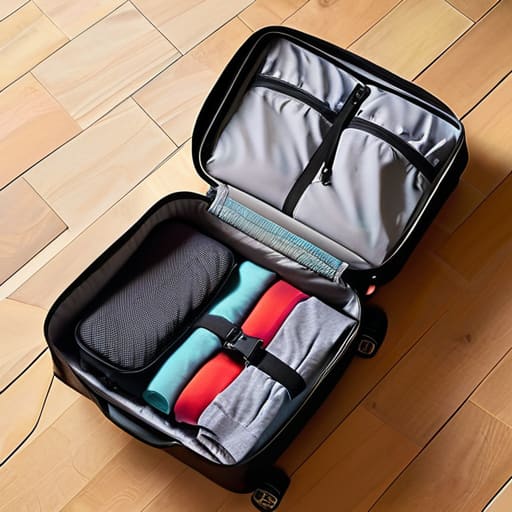
Think of your suitcase like a hard drive that’s rapidly reaching its capacity limits; if you just toss files in randomly, you’re going to run into a massive “out of memory” error before you even reach the terminal! To avoid this, I swear by the holy grail of organization: packing cubes for efficient luggage organization. Using these little fabric modules is like modular programming—you’re assigning specific functions to specific zones. Instead of one giant, chaotic heap of fabric, you have dedicated compartments for shirts, socks, and tech cables. It keeps your “system” stable and makes finding that one specific charger feel less like a debugging nightmare.
When it comes to the actual fabric, the age-old debate of rolling vs folding clothes for travel is essentially a battle of compression algorithms. I’ve found that rolling your garments tightly acts like a data compression tool, squeezing out the unnecessary air and preventing those stubborn wrinkles from forming. If you’re looking at maximizing carry-on space for long trips, treat every square inch like precious real estate. By layering your rolled items tightly, you’re essentially optimizing your hardware for maximum performance without adding any extra weight to your loadout!
Your Essential Carry on Items Checklist for Seamless Travel
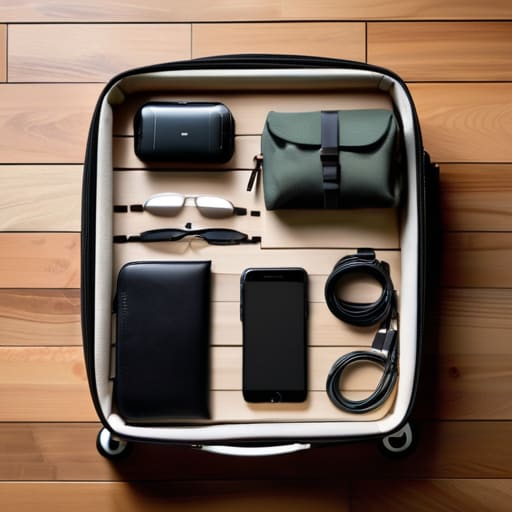
Think of your carry-on like a well-optimized operating system: you want all the critical files accessible, but you can’t afford any bloated background processes taking up precious RAM! When I’m prepping for a trip, I treat my essential carry-on items checklist like a deployment script. First, I group my tech essentials—chargers, power banks, and noise-canceling headphones—into a dedicated tech pouch. This prevents that frantic “where is my cable?” panic mid-flight, much like how a clean directory structure prevents a coding nightmare.
Next, let’s talk about the “hardware” of your wardrobe. To avoid a system crash (or just a very messy bag), I swear by using packing cubes for efficient luggage organization. They act like modular containers in a software architecture, keeping your socks from migrating into your shirts. I also make sure my liquid kit is strictly TSA approved liquids organization compliant; there’s nothing quite as frustrating as having your “system” shut down by security because your shampoo bottle wasn’t properly partitioned! By treating your gear with this kind of logical precision, you ensure your mobile command center is always ready for launch.
Optimizing Your Mobile Hardware: 5 Pro-Tips for a High-Performance Carry-On
- Think of your bag like a high-density server rack: you need to prioritize your most critical components first! Always place your “core processors”—your electronics, chargers, and essential documents—in an easily accessible top layer so you aren’t performing a full system reboot just to find your passport at security.
- Deploy the “Compression Algorithm” method by using packing cubes. Just like how we compress large data files to save precious disk space, these cubes squeeze the air out of your wardrobe, turning a bulky pile of sweaters into a streamlined, organized data packet that fits perfectly in your luggage.
- Avoid “Memory Leaks” by sticking to a strict color palette. If every piece of clothing you pack can interface with every other item, you’re essentially creating a universal driver for your wardrobe. This modular approach ensures you can create dozens of different “outfits” without needing to carry a massive, redundant library of clothes.
- Don’t let your battery life crash! Treat your power banks and cables like the lifeblood of your setup. Instead of letting them tangle into a chaotic mess of spaghetti code, use small mesh pouches to keep your cables routed and tidy, preventing that frustrating “connection error” when you’re desperately looking for a charge at the gate.
- Implement a “Buffer Zone” for liquids. Think of your toiletries like volatile memory—they can be messy if not handled correctly! Use leak-proof, TSA-approved containers and seal them in a dedicated waterproof pouch, ensuring that a single pressurized bottle doesn’t cause a catastrophic system failure across your entire bag.
The Final System Check
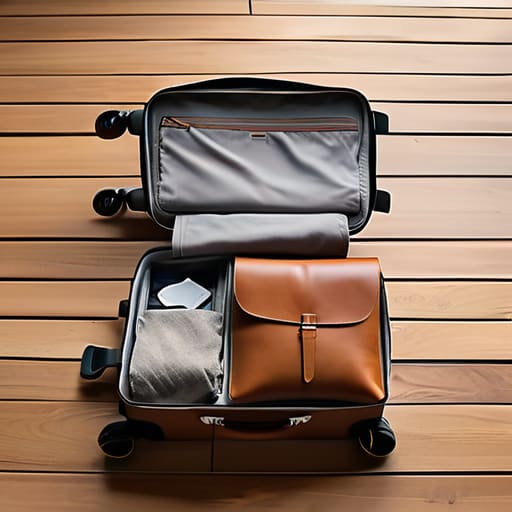
At the end of the day, mastering your carry-on is a lot like optimizing a piece of legacy code: it’s all about stripping away the bloat to ensure the core functions run flawlessly. We’ve walked through the logic of using packing cubes to modularize your wardrobe, the importance of a streamlined essentials checklist, and those clever space-saving hacks that turn a cramped bag into a high-performance toolkit. By treating your luggage as a carefully curated ecosystem rather than a chaotic junk drawer, you’re essentially debugging your travel experience before you even step foot in the airport terminal. When your gear is organized and your footprint is light, you eliminate the friction that usually leads to travel stress.
But beyond the logistics and the clever folding techniques, remember that the true purpose of a light bag is to grant you ultimate mobility. I like to think of a well-packed carry-on as your personal “portable freedom module.” When you aren’t tethered to the anxiety of lost checked luggage or the heavy drag of an overstuffed suitcase, you are free to pivot, explore, and embrace the unexpected. Technology—and travel—should serve to expand your horizons, not weigh you down. So, pack with intention, travel with lightness, and go out there to write your own incredible adventure!
