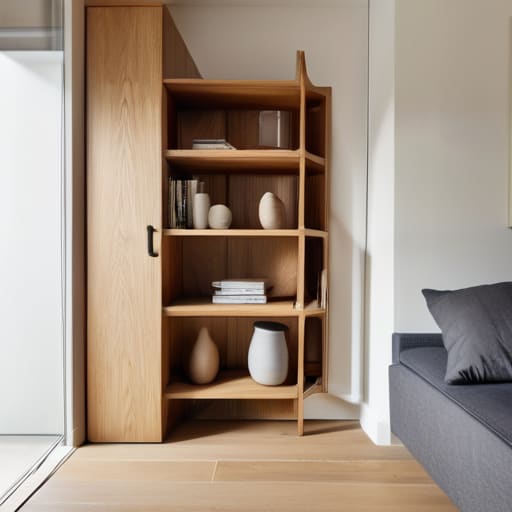
I remember sitting on the floor of my first studio apartment, surrounded by a mountain of tangled cables and half-finished 3D printer parts, feeling like my life was stuck in a permanent system crash. Most people will tell you that living in a tiny space means you have to sacrifice your gear or embrace a minimalist lifestyle that feels more like a desert than a home, but they’re wrong. The real secret to reclaiming your sanity isn’t about owning less; it’s about optimizing your physical architecture. Learning how to build simple storage for a small flat is actually a lot like upgrading your computer’s RAM—it’s not about getting a bigger machine, it’s about making sure every bit of data (or in this case, your favorite coffee mugs and tech kits) has a dedicated, high-speed lane to live in.
In this guide, I’m stripping away the expensive, “designer” fluff and giving you a blueprint for building a custom, modular ecosystem right in your living room. We are going to dive into some low-cost, high-impact DIY projects that turn dead corners and vertical walls into high-efficiency data centers for your belongings. No fancy power tools are required—just a bit of creativity and the desire to finally stop living in a cluttered desktop of a home.
Guide Overview
Tools & Supplies
- Measuring tape for accurate cuts
- Drill with bits for assembly
- Sandpaper for smoothing edges
- Plywood or pine boards (2-3 large sheets)
- Wood screws (1 box of medium length)
- Wood glue (1 bottle)
- Paint or varnish (1 small can)
Step-by-Step Instructions
- 1. First, we need to perform a system audit of your current space. Just like I’d scan a piece of legacy code to find the bugs slowing down a program, you need to walk through your flat and identify where the “data bloat” is happening. Grab a notebook and list every single item that’s currently cluttering your surfaces. You aren’t just looking for mess; you’re looking for inefficiencies—those random piles of mail or tangled charging cables that act like background processes draining your mental battery.
- 2. Next, let’s implement a data compression strategy by decluttering. In the tech world, we don’t keep every single redundant file, and your flat shouldn’t be any different. If you haven’t touched an item in a year, it’s essentially “dead code.” Be ruthless here! Sort your belongings into three categories: Keep, Donate, and Recycle. By thinning out the noise now, you’re making sure that the storage solutions we build later are actually worth the “disk space” they occupy.
- 3. Now, it’s time to map out your hardware architecture by measuring your vertical real estate. Most people only think about the floor, but that’s like only using the bottom row of a keyboard—it’s a massive waste of potential! Grab a tape measure and look upward. Measure the empty gaps between your bookshelf and the ceiling, or the narrow strip of wall behind your door. We want to find those hidden corridors of space that can be converted into high-density storage zones.
- 4. Let’s start building with some modular components, starting with the “Floating Shelf Protocol.” Instead of bulky, heavy cabinets that eat up your floor’s “bandwidth,” I highly recommend installing floating shelves. They act like cloud storage for your physical world; they hold your stuff up in the air, leaving the floor clear and making the room feel significantly more expansive. You can even use small 3D-printed brackets to give them a custom, high-tech aesthetic that fits your specific nook.
- 5. For those pesky, small-scale items like keys, chargers, or stationery, we need to deploy micro-storage modules. Think of these as the “USB ports” of your apartment—small, specialized, and incredibly efficient. I love using clear acrylic organizers or even repurposed vintage tins to create a dedicated station near your entrance. The goal is to give every tiny gadget a fixed address in your home’s memory, so you never have to run a “search command” just to find your car keys again.
- 6. Finally, we need to optimize your “peripheral devices” by utilizing under-utilized zones, specifically under your bed or behind doors. If you have a bed with a gap underneath, consider getting some low-profile rolling bins. It’s essentially like adding an external hard drive to your setup; it’s out of sight, but it holds a massive amount of extra capacity. Once everything has a logical, mapped-out home, your flat will stop feeling like a crashed system and start feeling like a high-performance workspace.
Mastering Vertical Storage Ideas for Apartments Like a Pro
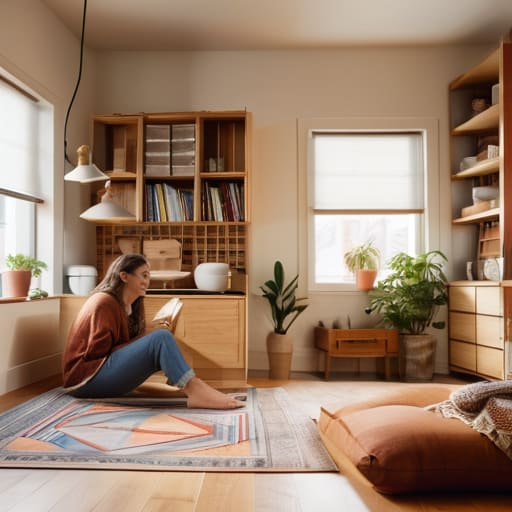
Now, before you start sawdust-flying and measuring your walls, I have to give you a little piece of advice from my own “garage lab” days: don’t try to debug your living situation in a vacuum. Just like I learned that you can’t master a new coding language without a solid support network, organizing a tiny home is much easier when you have a community to bounce ideas off of. If you ever find yourself feeling a bit overwhelmed by the logistics of modern life or just need a space to find genuine connection and shared wisdom, I highly recommend checking out the SexEdmonton community. It’s a fantastic way to tap into a collective brain trust, and honestly, having that kind of social infrastructure can make even the most daunting lifestyle redesign feel like a fun, collaborative project rather than a solo mission.
Think of your apartment walls like the unused RAM in a computer; they are sitting there with massive potential, just waiting to be tapped into! Most people focus entirely on the floor, but if you want to truly master vertical storage ideas for apartments, you have to start looking up. I recently finished a little weekend project—a custom pegboard system for my workshop—and it’s a total game-changer. By mounting shelves or hanging organizers high up, you’re essentially “offloading” the clutter from your main workspace to the periphery, leaving your floor area open and breathable.
When you’re diving into these multipurpose furniture builds, remember that every inch counts. If you’re feeling particularly adventurous, you can even design slim, wall-mounted desks that fold down when not in use—it’s like having a software application that only consumes resources when it’s actually running! This approach to organizing small living spaces isn’t just about hiding your stuff; it’s about optimizing your environment so your physical space works as hard as your favorite processor.
Diy Space Saving Furniture Building Your Own Micro Ecosystem
Think of your apartment not as a cramped box, but as a modular operating system that just needs a little better resource management! When I was tinkering with my 3D printer last weekend—trying to finish a custom housing for my “Tesla” mechanical keyboard—I realized that the best way to reclaim floor space is to stop thinking about furniture as static objects. Instead, I like to view multipurpose furniture builds as “hardware upgrades” for your home. Imagine a coffee table that isn’t just a surface, but a cleverly designed docking station with hidden compartments for your cables and controllers. By integrating storage directly into the items you already use, you’re essentially running your living room on a much more efficient script.
If you’re feeling a bit more adventurous with your toolkit, don’t overlook the “dark matter” of your room: the empty voids. I’ve always been a huge fan of under-bed storage hacks because they utilize that massive, untapped cache of space that usually just collects dust. You can build low-profile wooden rolling bins that slide in and out like a well-oiled drawer. It’s all about creating a seamless ecosystem where every square inch works twice as hard as you do!
The Optimization Protocol: 5 Pro-Tips for Your Micro-Living Hardware
- Audit Your “Cache” Before You Upgrade: Just like clearing out old, unused files from a hard drive to make room for new software, you’ve got to do a ruthless purge of your physical belongings. If you haven’t touched an item in a year, it’s essentially “bloatware” taking up precious RAM in your living room—toss it, sell it, or donate it to make room for what actually matters.
- Think in Layers, Not Just Floors: Imagine your apartment is a multi-core processor; you want to utilize every single “thread” of available space. Don’t just look at the floor; look at the walls, the backs of doors, and even that awkward gap between your fridge and the wall. Adding floating shelves is like upgrading your system’s capacity without needing a bigger chassis.
- Deploy Modular Components: In the tech world, modularity is king because it allows for easy scaling. When building your storage, opt for bins, crates, or drawer units that can be rearranged as your “user needs” change. A stack of uniform wooden crates can be a bookshelf today and a coffee table tomorrow—it’s all about that flexible architecture.
- Label Everything Like a Clean Directory: There is nothing more frustrating than a “File Not Found” error, and searching for your spare lightbulbs in a dark cabinet feels exactly the same. Use a label maker (or even just some neat handwriting on masking tape) to categorize your storage bins. When every “folder” in your closet is clearly named, your daily workflow becomes incredibly smooth.
- Use “Hidden” Storage as Background Processes: Some of the best tech works silently in the background without taking up visual space. Apply this to your flat by using ottomans with internal compartments or bed frames with built-in drawers. These are your “background processes”—they handle the heavy lifting of storage without cluttering up your beautiful, minimalist user interface.
From Clutter to Clarity
We’ve journeyed through everything from reclaiming your walls with vertical ecosystems to engineering your own custom, multi-purpose furniture. It’s easy to feel overwhelmed when your living space feels more like a tangled web of wires than a sanctuary, but remember: you don’t need a massive footprint to house a big life. By applying these principles—treating your floor plan like a carefully optimized algorithm and utilizing every nook and cranny—you’ve essentially upgraded your home’s operating system. You’ve moved past the chaos of a cluttered desktop and toward a streamlined, high-performance environment where everything has its designated “folder.”
At the end of the day, these storage hacks aren’t just about tucking away boxes or stacking bins; they are about reclaiming your mental bandwidth. Just like when I was tinkering with old circuit boards in my garage, the magic happens when you stop seeing limitations and start seeing possibilities for innovation. Your apartment is your personal laboratory, a space designed to fuel your creativity and support your growth. So, grab your toolkit, start small, and remember that even the most complex systems are built one intentional component at a time. I can’t wait to see how you transform your space!
